
Description
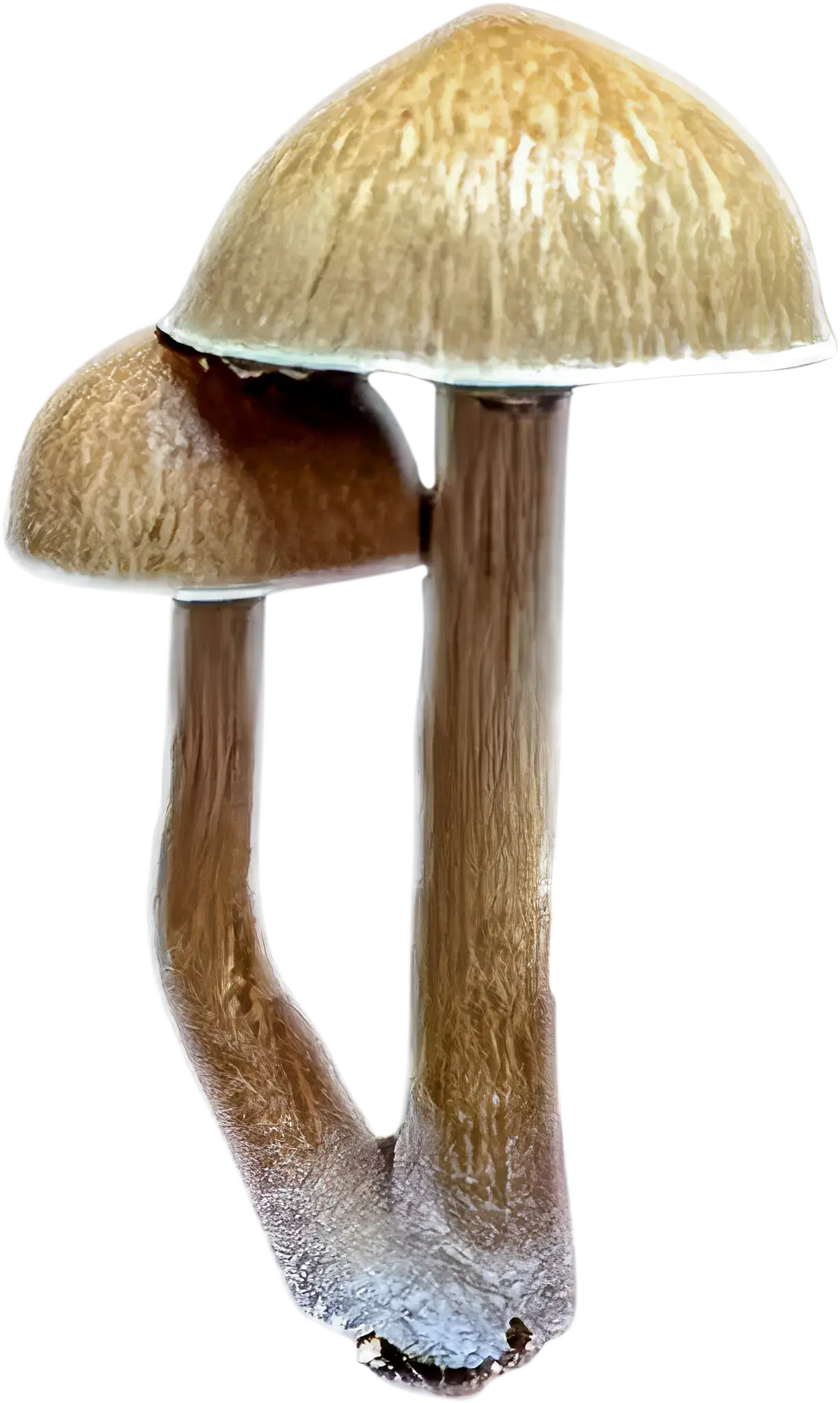
Hillbilly, also known as Hillbilly Pumpkin, is a classic American variety of Psilocybe cubensis reported to come from wild specimens in Arkansas. This syringe holds 10cc of live Hillbilly mycelium in a sterile nutrient broth. It is a popular choice for microscopy and taxonomy collections because it is described as a landrace: a variety shaped by natural selection in the wild rather than a lab-made cross. Its stocky, thick-stemmed fruiting bodies make an easy contrast with the taller Golden Teacher. This is a liquid culture, not a spore syringe. The team at Atlas Spores prepares every batch in house in a clean room, tests it on agar, holds it until it shows clean and sterility-tests it before it ships. A third-party lab report for this culture is linked below.
Hillbilly Liquid Culture at a Glance
| Species | Psilocybe cubensis |
| Variety | Hillbilly (also known as Hillbilly Pumpkin) |
| Lineage | Landrace from wild specimens in rural Arkansas, USA (as reported); not a deliberate cross |
| In the box | One 10cc syringe of live mycelium in sterile nutrient broth, a sterile 18-gauge needle and an alcohol prep pad |
| Culture source | Maintained on agar in house by the team at Atlas Spores |
| Quality checks | Agar test, held until clean, sterility test; batch number and culture date recorded with every order |
| Lab analysis | Brite Box Labs, Portland, OR, January 20, 2025: no psilocybin, psilocin or related tryptamines detected in the syringe (view the lab report, PDF) |
| Storage | Refrigerate at 35–45°F, do not freeze; best within 6 months, viable up to 12 months refrigerated |
| Shipping | USPS Priority Mail from Ann Arbor, Michigan |
| Guarantee | Arrives contaminated or won’t grow? Send us a photo and we’ll send a new syringe. |
Where Hillbilly Comes From
Hillbilly is reported to trace back to wild P. cubensis found in the woods and fields of rural Arkansas. That makes it a landrace: a variety that developed through generations of natural selection in its home environment, then was collected and refined through years of isolation work in the cultivation community. Who first collected it, and when, is not documented. The name reflects its Arkansas roots.
You may also see it sold as Hillbilly Pumpkin. Atlas Spores’ Hillbilly is the same culture; we simply never used that name on the site before.
What Hillbilly Looks Like
- Stems: thick, dense and white, noticeably sturdier than those of slender varieties like Golden Teacher.
- Caps: compact and firmly rounded rather than broad and umbrella-shaped.
- Overall form: stocky, substantial fruiting bodies with a “wild” look.
- Spores: dark purple-brown deposits, with lighter spore drop reported than in heavily sporulating varieties.
Why Study a Landrace Strain
Most named cubensis varieties are selections or deliberate crosses made by people. Hillbilly is reported to be different: its traits were shaped in the wild before anyone collected it. That makes it a useful counterpoint in comparative work, especially next to Golden Teacher, the other classic American variety, whose origin is unknown. In a liquid culture, what you see under the microscope is hyphae (mycelium), not spores.
Hillbilly Compared with Similar Strains
| Strain | Relationship to Hillbilly | Main difference |
|---|---|---|
| Golden Teacher | Unrelated classic American cubensis | Taller, slimmer stems and broad golden-caramel caps |
| Blue Meanie | Unrelated classic cubensis (reported Florida origin) | Bell-shaped caps and very strong blue bruising |
| Jack Frost | Unrelated albino cross | White fruiting bodies |
| Enigma | Unrelated mutation | No caps, stems or spores; grows as brain-like tissue masses |
For more detail, read our Hillbilly guide, the Golden Teacher vs Hillbilly comparison or the side-by-side strain comparison guide.
Quality and Testing
Every Hillbilly batch is made in house at Atlas Spores. Media and tools are sterilized in an autoclave, and cultures are prepared under flow hoods in a clean room. Before a batch ships, samples are tested on agar and held until they show clean, and the batch is sterility-tested. Each syringe’s batch number and culture date are recorded against your order.
A third-party lab, Brite Box Labs in Portland, Oregon, analyzed a Hillbilly liquid culture sample on January 20, 2025 (work order F242, sample F242-04). Psilocybin, psilocin, baeocystin, norbaeocystin and norpsilocin were all below the lab’s limit of quantification (0.005 mg/g for psilocybin and psilocin): none were detected. View the Hillbilly lab report (PDF) or see all lab results.
Frequently Asked Questions
Is Hillbilly the same as Hillbilly Pumpkin?
Yes. Our Hillbilly culture is also known as Hillbilly Pumpkin. It is the same culture under both names.
Where does the Hillbilly strain come from?
It is reported to come from wild Psilocybe cubensis in rural Arkansas, which makes it a landrace rather than a lab-made cross. Who first collected it is not documented.
Is this a Hillbilly spore syringe?
No. This is a Hillbilly liquid culture: live mycelium in a sterile nutrient broth. A spore syringe holds spores suspended in water. The liquid culture carries the mycelium itself, so there is no germination step.
How is Hillbilly different from Golden Teacher?
Both are classic American cubensis varieties, but they look different. Hillbilly is stocky, with thick white stems and compact, rounded caps. Golden Teacher is taller and slimmer, with broad golden-caramel caps.
Does the liquid culture contain psilocybin?
No. A third-party lab, Brite Box Labs, found no psilocybin, psilocin or related tryptamines in a Hillbilly liquid culture sample in January 2025. The report is linked above.
How long does the culture last, and what if it arrives contaminated?
Refrigerate it at 35–45°F and don’t freeze it. It is best used within 6 months and stays viable for up to 12 months refrigerated. If it arrives contaminated, send us a photo and we’ll send you a new syringe.
Legal Notice
Atlas Spores liquid cultures are sold for microscopy, taxonomic research and educational purposes. Buyers are responsible for knowing and following all local, state and federal laws that apply to them.
Last updated: November 2026


There are no reviews yet. Be the first one to write one.