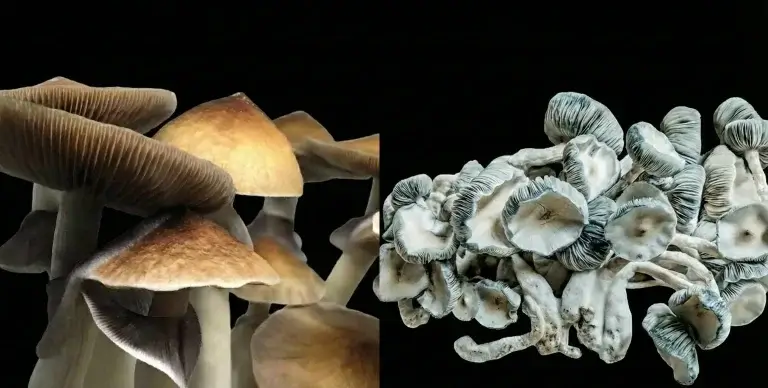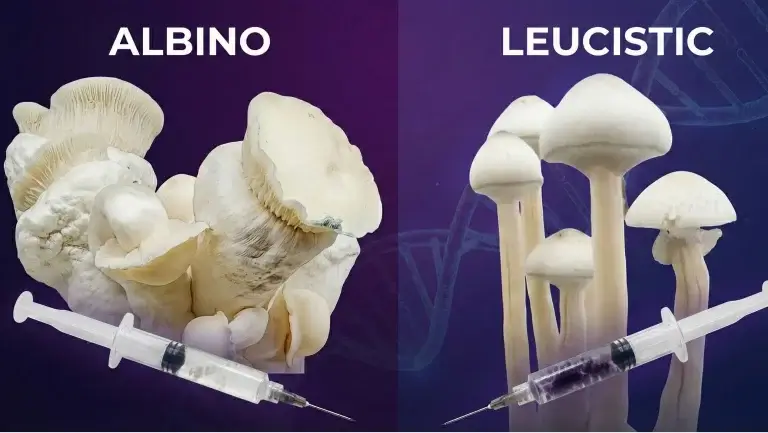
The state of Iowa just took a groundbreaking step toward modernizing mental health treatment. On April 21, 2025, the Iowa House of Representatives overwhelmingly passed House File 978, advancing legislation that would create a tightly regulated psilocybin therapy program. This measure positions Iowa among a growing number of states exploring the therapeutic potential of psilocybin for treating PTSD and other mental health conditions.
What the Iowa Psilocybin Bill Proposes
Under the legislation, Iowa would establish a Psilocybin Production Establishment Licensing Board within the Iowa Department of Health and Human Services. This expert panel would oversee the framework for safe, legal administration of psilocybin therapy.
Key Provisions of House File 978
Licensed Clinical Use Only: Psilocybin could only be administered in clinical settings under the supervision of qualified psychiatric professionals.
Patient Cap: Initially, therapy would be limited to 5,000 patients, each of whom must be 21 years or older.
Focus on PTSD: The bill prioritizes access for individuals suffering from PTSD, particularly military veterans, first responders, and law enforcement officers.
Strict Controls: Recreational use remains illegal. Psilocybin would only be available through licensed therapy providers within approved medical facilities.
The bill creates a model similar to Iowa’s medical cannabis program—controlled, medically supervised, and limited to specific health conditions.
Scientific Evidence Supporting Psilocybin Therapy
The growing legislative support for psilocybin therapy isn’t happening in a vacuum—it follows a growing body of scientific research. In a 2020 study published in JAMA Psychiatry, researchers reported reduced depressive symptoms in participants with major depression who received psilocybin-assisted therapy.
Interested in the scientific study of psilocybe species? Explore our research-grade specimens for microscopy and taxonomic study
More recently, researchers have continued to study psychedelic-assisted therapy for PTSD. A comprehensive review of MDMA-assisted therapy for PTSD and clinical studies on psilocybin’s ability to disrupt maladaptive trauma frameworks report early promise for treatment-resistant cases.
Unlike traditional psychiatric medications that often require daily dosing and can cause significant side effects, psilocybin therapy typically involves only 1–3 supervised sessions alongside preparatory and integration therapy.
Why Lawmakers Are Supporting Psilocybin Therapy
Supporters of the measure emphasized the urgent need for alternative mental health treatments, especially for veterans and others battling PTSD. State Rep. John Wills (R), a military veteran who championed the bill, cited research from the Johns Hopkins Center for Psychedelic and Consciousness Research, pointing to its work on psilocybin for PTSD.
Rep. Wills’ Statement on Current PTSD Treatments
“I will tell you, right now the only option these veterans have, the only option these people with PTSD have, is to be on mind-altering, life-altering drugs for the rest of their lives. I’m a scientific type of guy… this stuff actually works.”
The move also aligns with broader scientific trends. Recent research on the psychedelic future of PTSD treatment describes growing research interest in its therapeutic use. Psilocybin is not FDA-approved, and clinical trials continue to study it for depression, substance use disorders, and PTSD.
How Psilocybin Is Being Studied for PTSD, Depression, and Addiction
Psilocybin is drawing research interest as a possible treatment for trauma, depression, and addiction. Unlike many conventional psychiatric medications that are taken daily, psilocybin-assisted therapy is being studied as a treatment given in one or two guided sessions.
Areas of Current Research
Research groups at institutions like Johns Hopkins, NYU, and Imperial College London are studying psilocybin-assisted therapy for PTSD, treatment-resistant depression, and alcohol and nicotine dependence, often in patients who have not been helped by existing treatments.
What This Means for Mycology Enthusiasts and Researchers
At Atlas Spores, we follow the evolution of psilocybin research closely. While our focus remains on microscopy and taxonomic study of fungal specimens, we recognize the significant scientific interest in psilocybin-producing fungi species like Psilocybe cubensis.
The Iowa legislation represents an important shift in how these organisms are viewed by the scientific and medical communities. As research expands, so too does our understanding of fungal biology, chemistry, and potential applications.
For mycology enthusiasts following these developments, we recommend exploring our detailed species guides to better understand the diversity and characteristics of various fungi.
What Happens Next: Senate Vote and Beyond
While the Iowa House showed overwhelming support, the bill must still pass the Iowa Senate, where Republican majorities also hold sway. As of now, it’s unclear exactly when the Senate will take up the measure. A spokesperson for Governor Kim Reynolds (R) did not immediately comment on her stance.
If approved by the Senate and signed into law, Iowa would join a growing national movement exploring psychedelic-assisted therapies, following in the footsteps of states like Oregon and Colorado.
Regardless of the immediate outcome, Iowa’s momentum reflects a larger cultural shift: psychedelic therapy is moving from the fringe toward mainstream mental health research.
Frequently Asked Questions
Stay Informed on Mycology Research & Legislation
Follow the latest developments in fungal science, psilocybin research, and mycology breakthroughs with Atlas Spores.
Explore Our Complete CollectionA Cautious but Historic Leap Forward
Iowa’s psilocybin therapy bill represents a science-based approach to mental health treatment. It’s about giving hope to those living with severe mental health conditions, with access limited to supervised clinical settings and rigorous safeguards. For many veterans, first responders, and civilians suffering from PTSD, it could mark the beginning of a new path toward healing.
Key Resources & Research
- JAMA Psychiatry: psilocybin-assisted therapy for major depression
- MDMA-Assisted Therapy Review: Comprehensive PTSD treatment analysis
- Clinical Psilocybin Studies: Disrupting trauma frameworks research
- FDA “breakthrough therapy” designation for psilocybin
- Psychedelic PTSD Treatment: Future therapeutic applications
- Iowa House File 978: Complete legislative text