Mushroom Myths and the Real Facts
Myth 1: All Mushrooms Are the Same
- Reality: Mushrooms are incredibly diverse, with thousands of species ranging in appearance, texture, flavor, and nutritional profile. Edible mushrooms, medicinal mushrooms, and toxic varieties are all very different. Edible mushrooms like shiitake and portobello are safe and nutritious, while so-called medicinal mushrooms like reishi and lion’s mane are valued in traditional use. However, certain wild mushrooms are highly toxic, such as the death cap mushroom, which contains deadly toxins. Each species has distinct properties, and it’s essential to recognize their differences for safe use and consumption.
Myth 2: All Wild Mushrooms Are Dangerous
- Reality: While some wild mushrooms are indeed toxic, many are safe to eat and offer valuable nutritional benefits. Species like chanterelles, morels, and porcini are prized in culinary circles for their flavors and textures. However, the risk of mushroom poisoning is real, and misidentifying a mushroom can be dangerous. Experts recommend that only trained foragers or those guided by an experienced mycologist collect wild mushrooms for consumption to avoid accidental poisoning.
Myth 3: Eating Mushrooms Causes Hallucinations
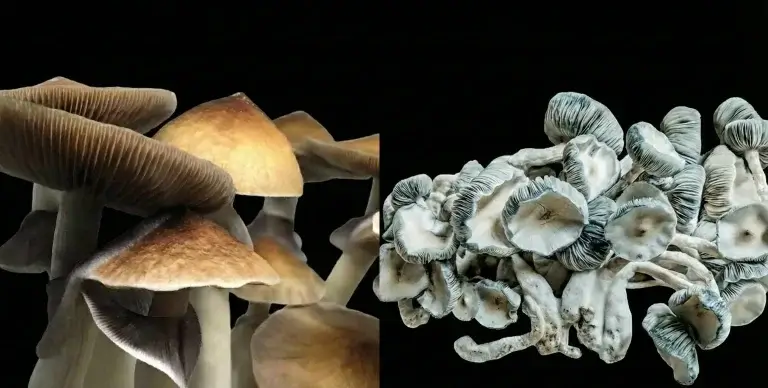
- Reality: Not all mushrooms are hallucinogenic. Only specific types, such as psilocybin mushrooms (also known as magic mushrooms), contain psilocybin and related compounds. Most edible and medicinal mushrooms contain no such compounds.
Myth 4: Mushrooms Are Nutritionally Void
- Reality: Mushrooms are highly nutritious and offer a range of health benefits. They are low in calories but rich in essential nutrients like B vitamins (riboflavin, niacin), vitamin D, potassium, fiber, and antioxidants. They’re also a good plant-based protein source, making them valuable for vegetarian and vegan diets.
Myth 5: Mushrooms Are Not Safe for Pregnant Women
- Reality: Most edible mushrooms are safe for pregnant women and can be a great source of nutrients, especially since they are packed with vitamins, minerals, and protein. However, it’s wise to avoid wild mushrooms unless they are certified by an expert, as some varieties contain toxins that could be harmful. It’s also recommended to consult with a healthcare provider before consuming medicinal mushrooms like reishi or lion’s mane, as their effects during pregnancy are still under study.
Myth 6: Eating Mushrooms Causes Allergic Reactions in Most People
- Reality: Although mushroom allergies exist, they are relatively rare. Most people can safely eat mushrooms without experiencing adverse reactions. People with mold allergies may have concerns about eating mushrooms, but the proteins that cause mold allergies differ from those found in mushrooms. However, like any food, some individuals may have specific sensitivities or intolerances, and anyone who experiences an allergic reaction to mushrooms should avoid consuming them and consult an allergist.
Myth 7: Cooking Mushrooms Destroys Their Nutrients
- Reality: Cooking mushrooms can actually enhance their nutritional availability, especially by breaking down their tough cell walls, which helps the body access and absorb their nutrients more effectively. Cooking can increase the bioavailability of certain compounds like beta-glucans. Cooking mushrooms also reduces toxins that may be present in certain types, like agaritine in some raw mushrooms, making them safer to consume.
Myth 8: All Medicinal Mushrooms Work Miracles
- Reality: While medicinal mushrooms like reishi, chaga, and lion’s mane are popular in traditional use and as supplements, they are not miracle cures and should not replace conventional treatments for serious health conditions. Claims made about them are still being researched, and none of them will instantly cure ailments.
Myth 9: Mushrooms Are Not Suitable for Weight Loss
- Reality: Mushrooms are actually an excellent food choice for those looking to manage their weight. Low in calories and high in fiber and protein, they can promote a feeling of fullness and reduce overall calorie intake when incorporated into meals. Swapping higher-calorie foods with mushrooms in recipes lowers the calories in a dish while still providing essential nutrients.
Myth 10: Mushrooms Don’t Require Washing Before Cooking
- Reality: While some argue that washing mushrooms causes them to absorb water, most culinary experts recommend giving them a quick rinse to remove dirt and debris. Mushrooms do absorb a small amount of water, but it’s usually not enough to impact cooking. After rinsing, it’s best to pat them dry with a paper towel to prevent them from becoming soggy.
Myth 11: Mushrooms Grow in Dirty Environments
- Reality: Many mushrooms thrive in soil, but the conditions in which they are cultivated are highly controlled and sanitized, particularly for commercial production. In mushroom farms, they are grown on organic substrates like compost, sawdust, and wood chips, which are carefully managed to ensure cleanliness and safety. Wild mushrooms do grow in nature, but even these often favor rich, clean forest environments that support their growth.
Myth 12: Consuming Mushrooms Can Make You Poison Resistant
- Reality: There is no evidence to suggest that consuming safe, edible mushrooms builds up resistance to toxic varieties. Poisonous mushrooms contain unique toxins that remain harmful regardless of one’s dietary history. Therefore, it is always essential to avoid consuming wild mushrooms unless absolutely certain of their safety, as eating even small amounts of toxic mushrooms can have severe or fatal consequences.
Myth 13: Mushrooms Can Cause Yeast Infections
- Reality: This myth likely stems from the misconception that because mushrooms are fungi, they might promote fungal growth in the body. In reality, eating mushrooms does not contribute to yeast infections or fungal overgrowth. Mushrooms do not contain the same types of fungi associated with infections.
Myth 14: Mushrooms Are Bad for the Environment
- Reality: Mushrooms have a relatively low environmental impact, particularly when compared to many animal-based foods. Mushroom farming requires little water and land, and mushrooms can grow on agricultural by-products, making them an eco-friendly choice. Additionally, mushrooms play an essential role in natural ecosystems, breaking down organic matter and promoting soil health.
Myth 15: Only the Caps of Mushrooms Are Edible
- Reality: The stems of many mushrooms, such as shiitake and portobello, are also edible and nutritious. While some mushroom stems can be tough or fibrous, they can be used in broths or chopped finely for cooking to avoid waste and get the full range of nutrients.
Debunking These Myths for a Better Understanding of Mushrooms
Understanding the reality behind these mushroom myths allows us to appreciate the true potential and benefits of mushrooms. Here’s a quick guide on how to make the most out of mushrooms in a safe, delicious, and sustainable way:
- Incorporate a Variety: Experiment with different types of mushrooms to benefit from their unique flavors and nutritional profiles. Culinary mushrooms like shiitake, portobello, and oyster offer versatility in recipes, while medicinal mushrooms can be added to drinks or taken as supplements.
- Prioritize Safety: If foraging for mushrooms, always go with an expert or buy from trusted sources to avoid toxic varieties. Enjoying wild mushrooms safely requires in-depth knowledge, so purchasing from reputable stores is best for most consumers.
- Embrace Cooking: Cook mushrooms to get the most out of their nutrients and improve digestibility. Sautéing, roasting, or grilling brings out their flavors and makes them easier to digest while preserving their nutrient content.
- Include Medicinal Varieties as Supplements: Medicinal mushrooms can be a great addition to a wellness routine, but approach them as complementary supplements rather than miracle cures.
Mushrooms are much more than a culinary ingredient—they’re a powerful, nutritious food group with a rich history and a promising role in modern wellness. By setting the myths aside, we can enjoy mushrooms confidently, understanding their nutritional value, culinary versatility, and unique properties.