
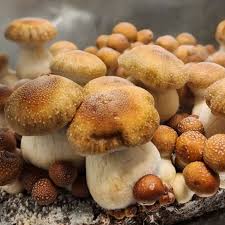
Think beginner-friendly strains have to be boring? The Hillbilly mushroom strain is here to prove otherwise. Originating from the deep woodlands of Arkansas, this legendary landrace variety has quietly become one of the most trusted and beloved strains in the cultivation community-not because it's flashy or rare, but because it simply works. Consistently. Flush after flush.
Hillbilly mushrooms have earned a reputation for being nearly bulletproof. Their thick stems, compact caps, and rugged genetic stability make them forgiving enough for first-time growers while delivering the kind of reliable yields that keep experienced cultivators coming back. In a hobby where so much can go wrong, Hillbilly takes a lot off the table.
Whether you're setting up your first monotub or you're a seasoned grower looking for a dependable workhorse strain, this comprehensive guide covers everything you need to know-from inoculation through harvest, troubleshooting, and long-term storage. Let's dig in.
The Hillbilly Legacy: An Arkansas Original
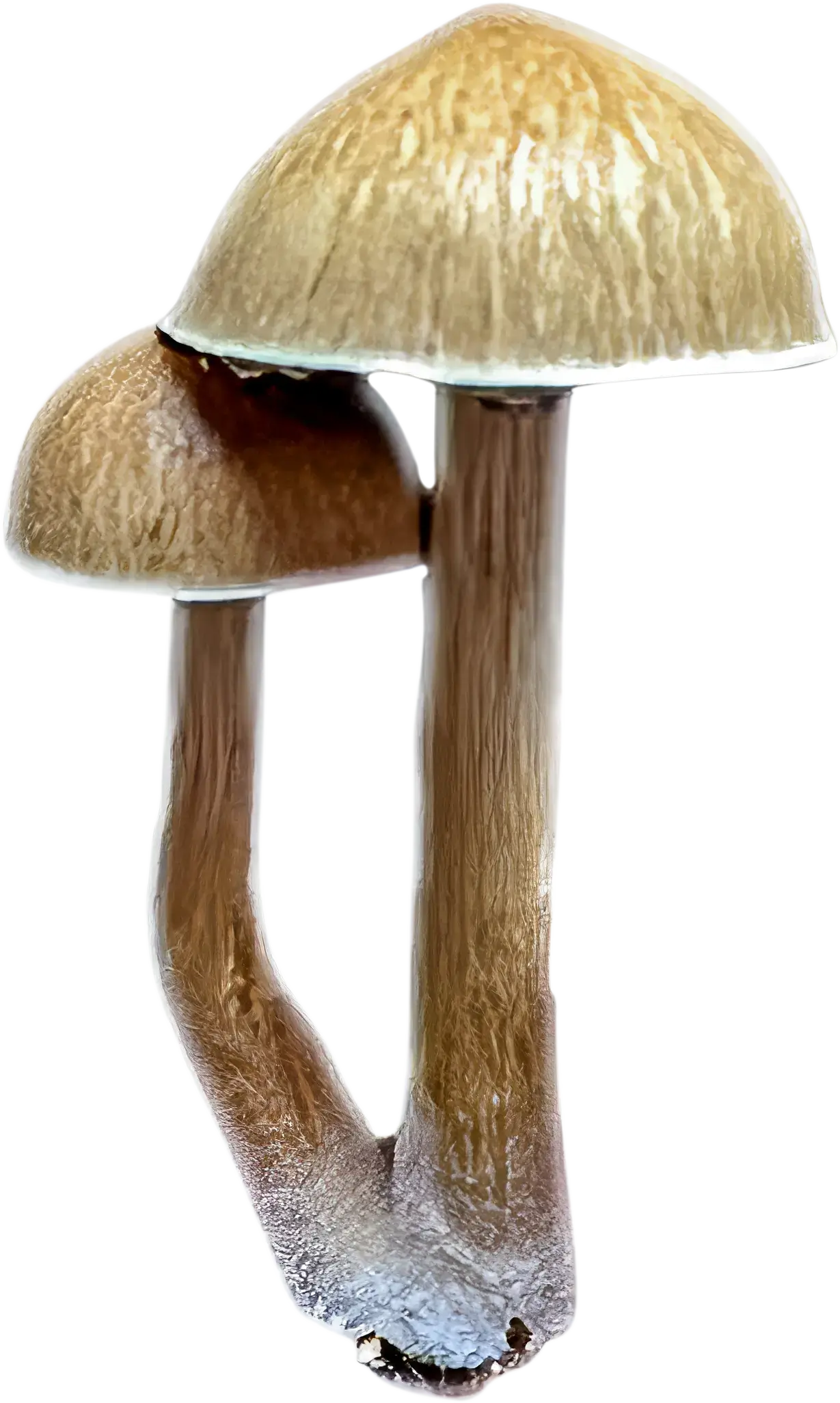
The Hillbilly strain traces its roots to the forests and fields of rural Arkansas, where it was discovered growing naturally in its native environment. Unlike lab-engineered hybrids or selectively bred isolates, Hillbilly is considered a true landrace strain-a variety that developed through generations of natural selection rather than human intervention.
What does that mean for cultivators? It means the genetics are stable, battle-tested, and naturally adapted to perform across a wide range of conditions. While many modern strains are bred for extreme potency or unusual morphology, Hillbilly was shaped by survival. It colonizes aggressively, resists contamination, and fruits reliably even when conditions aren't perfect. That's a rare combination, and it's exactly why this strain has remained a staple in cultivation circles for decades.
The Hillbilly name reflects both its geographic origins and its unpretentious character. There's no gimmick here-just honest genetics that deliver consistent, quality results every time.
What Sets Hillbilly Apart From Other Strains
True Landrace Genetics: Naturally selected over generations in Arkansas, Hillbilly carries genetic stability that lab-created strains rarely match. This means fewer surprises and more predictable grows.
Exceptional Contamination Resistance: One of the defining traits of this strain is its competitive, fast-moving mycelium that colonizes substrate before contaminants can gain a foothold-a major advantage for beginners.
Dense, Compact Fruiting Bodies: Hillbilly produces thick-stemmed mushrooms with firm, rounded caps rather than the lanky, thin fruits some strains are known for. More mass per mushroom means better yields per flush.
Moderate, Well-Rounded Effects: Hillbilly is widely regarded for producing a balanced psilocybin experience-not overwhelming, not underwhelming. This makes it a go-to for research applications and a great starting point for new cultivators exploring the full spectrum of cubensis genetics.
Ready to add Hillbilly to your collection? Grab your Hillbilly spore syringe from Atlas Spores and start your grow with lab-tested, high-quality genetics.
Essential Equipment and Substrate Preparation
One of the reasons Hillbilly is so beginner-friendly is that it doesn't require exotic equipment or complicated substrate recipes. That said, giving it a solid foundation will reward you with faster colonization, stronger pins, and heavier yields.
Sterility is always your first priority. Even contamination-resistant strains like Hillbilly can be derailed by poor technique. A still air box (SAB) or laminar flow hood, combined with isopropyl alcohol and gloves, goes a long way toward protecting your grow from unwanted competition.
Critical Equipment for Hillbilly Cultivation
Pressure Cooker or Autoclave: Essential for sterilizing grain spawn jars. A 15 PSI pressure cooker (23-quart or larger) will handle most home setups. Don't skip this step-proper sterilization is the single biggest factor in contamination prevention.
Fruiting Chamber: A monotub or Martha tent works well for Hillbilly. This strain's adaptability means it will perform in a wide range of fruiting setups, from simple shoebox tubs to more advanced automated chambers.
Hygrometer and Thermometer: Hillbilly is forgiving, but monitoring your environment takes the guesswork out of troubleshooting. Inexpensive combo units work perfectly.
Still Air Box or Flow Hood: For inoculation and transfers, a SAB is the minimum recommended setup. Build one from a clear storage bin with arm holes for a low-cost, highly effective contamination barrier.
Substrate Recommendations
Hillbilly thrives across multiple substrate types, which is part of what makes it so versatile. Here are the top options ranked by ease and yield:
Coco Coir, Vermiculite & Gypsum (CVG): The gold standard for beginners. CVG is inexpensive, easy to prepare (pasteurization, not sterilization required), and offers excellent moisture retention with low contamination risk. Hillbilly colonizes CVG quickly and produces impressive flushes.
Brown Rice Flour & Vermiculite (BRF Cakes): The classic PF Tek approach. Ideal for small-scale grows and perfect for first-time cultivators. BRF cakes are simple to prepare and inoculate directly with a spore syringe.
Manure-Based Bulk Substrate: For experienced growers chasing maximum yield, a manure-based mix (sterilized cow or horse manure blended with coco coir) provides the richest nutrient profile. Hillbilly's aggressive colonization particularly shines on manure substrates.
The Hillbilly Inoculation Process: Setting the Foundation
Inoculation is where your grow begins, and getting it right sets the tone for everything that follows. The good news? Hillbilly's vigorous mycelium is highly forgiving of minor technique imperfections-but proper sterile procedure is still non-negotiable.
Start with a high-quality spore syringe. Atlas Spores' Hillbilly spore syringes are lab-tested and prepared under sterile conditions, giving your colonization the best possible start. Shake the syringe gently before use to distribute spores evenly.
Hillbilly Inoculation Best Practices
Work in a Still Air Environment: Always inoculate inside a SAB or under a flow hood. Flame-sterilize your needle until glowing red, allow it to cool for 5–10 seconds, then wipe with 70% isopropyl alcohol before each injection.
Inoculation Volume: For standard half-pint BRF jars, 1–2 cc of spore solution per jar is sufficient. For larger grain jars, 2–3 cc spread across multiple injection ports ensures even colonization.
Incubation Temperature: Maintain 24–27°C (75–80°F) during colonization. Hillbilly colonizes best at the warmer end of this range-avoid temperatures above 29°C (84°F), which can stress mycelium.
Darkness During Colonization: Keep jars in a dark location during incubation. Light is not needed and won't improve colonization speed-save it for the fruiting phase.
Colonization Timeline: Expect to see the first signs of white mycelial growth within 5–10 days of inoculation. Full colonization of grain jars typically takes 2–3 weeks; BRF cakes may take slightly longer at 3–4 weeks. Hillbilly colonizes at a noticeably fast pace compared to many other cubensis strains.
Grain Spawn Shaking: When using grain spawn jars, give them a gentle shake at approximately 30–50% colonization to break up and redistribute the mycelium. This single step can cut a week or more off your colonization time by distributing active growth points throughout the substrate.
Mastering Hillbilly Fruiting Conditions
Once your substrate is fully colonized-no uncolonized patches visible, strong white mycelium throughout-it's time to initiate fruiting. Hillbilly doesn't need dramatic environmental changes to trigger pinning, but dialing in your parameters will maximize both the number of pins and the size of your fruits.
The transition from colonization to fruiting involves a few key changes: introducing light, dropping temperature slightly, increasing fresh air exchange, and maintaining high surface humidity. Hillbilly responds well to this transition and typically pins within one to two weeks of initiating fruiting conditions.
Hillbilly-Specific Fruiting Parameters
Temperature: 21–24°C (70–75°F). A slight drop from colonization temperatures signals the mycelium to transition into fruiting mode. Hillbilly is tolerant of minor fluctuations, but consistency produces the best results.
Humidity: 85–95% relative humidity. Use a hygrometer to monitor levels and mist the walls of your fruiting chamber (not the substrate surface directly) to maintain humidity without over-saturating. Hillbilly prefers a moist environment but is susceptible to bacterial blotch if the surface stays wet for extended periods.
Fresh Air Exchange (FAE): Fan or fan and filter your chamber 2–4 times per day for 15–30 seconds each, or maintain passive airflow through polyfill-stuffed holes. Hillbilly's thick, dense fruits require good FAE to develop properly-insufficient airflow leads to elongated, leggy mushrooms.
Lighting: Indirect light on a 12/12-hour cycle is ideal. Mushrooms use light as a directional cue for growth, not as an energy source. Ambient room light or a simple LED strip on a timer works perfectly.
Pin Formation Timeline: Under optimal conditions, Hillbilly typically pins within 7–14 days of transitioning to fruiting conditions. First flush pins tend to appear in clusters across the surface of the substrate-a characteristic of this strain's high productivity.
Harvesting Hillbilly: Timing Is Everything
Harvest timing is one of the most impactful decisions you'll make throughout your grow. Harvest too early and you sacrifice yield; harvest too late and you risk the veil tearing, spores dropping onto the substrate (which can slow or prevent future flushes), and potential degradation of active compounds.
Hillbilly's compact, firm caps make harvest timing relatively easy to read-you don't need to guess. The visual cues are clear once you know what to look for.
Hillbilly Harvest Indicators
Veil Integrity: The primary harvest indicator. Harvest when the partial veil (the thin membrane connecting the cap edge to the stem) is still intact but beginning to show tension-it should look taut but not yet torn. Once the veil breaks, harvest immediately.
Cap Shape: Hillbilly caps should still be convex or bell-shaped at harvest. When caps begin to flatten and the edges start to turn upward, the mushroom is approaching over-maturity.
Cap Color: Reddish-brown caps that deepen slightly in color and develop a slight sheen are a sign of peak maturity. Avoid harvesting caps that have begun to lighten significantly, which can indicate they've started releasing spores.
Stem Diameter: Hillbilly's characteristically thick stems feel firm and dense at proper harvest time. A softening or slight hollowing of the stem base indicates the mushroom is past its prime.
Harvesting Technique: Use the twist-and-pull method-grip the mushroom at the base, gently twist 90 degrees, and pull upward with light pressure. This separates the mushroom cleanly from the substrate without tearing the mycelial layer. Alternatively, use sterilized scissors or a scalpel to cut at the base. Remove any remaining stem stubs, as these can rot and become contamination entry points.
Multiple Flushes: After harvesting your first flush, rehydrate the substrate (a technique called "dunking" for BRF cakes, or simply misting and covering monotubs) to prepare for the next flush. Hillbilly is known for producing 2–4 strong flushes before the substrate is exhausted, with the second and third flushes often rivaling or exceeding the first.
Troubleshooting Common Hillbilly Growing Problems
Even with a forgiving strain like Hillbilly, issues can arise. Here are the most common problems cultivators encounter and how to resolve them quickly.
Green or Black Mold (Trichoderma / Cobweb Contamination)
Green mold (Trichoderma) is the most common contamination threat in mushroom cultivation. It typically appears as bright green or dark green patches on the substrate surface and spreads rapidly. If caught early in a single jar or section of a tub, isolate it immediately and remove it from your grow space to prevent cross-contamination.
Solution: Prevention is the only reliable cure. Ensure all grain substrate is fully sterilized at 15 PSI for 60–90 minutes. Work in a clean environment with proper SAB or flow hood technique. If contamination appears in a bulk tub but mycelium is dominant, increase FAE and reduce surface humidity slightly-Hillbilly's aggressive colonization can sometimes outcompete early-stage contamination.
Slow or Stalled Colonization
If colonization has stalled or seems significantly slower than expected (no visible growth after 14 days), several factors may be at play: temperature too low, dead spores from a bad syringe, overly wet substrate, or contamination not yet visible.
Solution: First, verify your incubation temperature is in the 24–27°C range-this is the most common culprit. Check substrate moisture by doing the squeeze test: properly hydrated substrate should produce only a few drops of water when squeezed firmly. If using older spore syringes, spore viability may be the issue-start fresh with new genetics from a quality source like Atlas Spores.
Aborted Pins (Pinhead Die-Off Before Maturity)
Pin aborts are small pinheads that stop developing and die off before reaching harvestable size. They're a common frustration but almost always environmental in origin rather than a genetic issue with the strain.
Solution: The most common causes are humidity dropping below 80%, insufficient FAE, or temperature spikes. Check your hygrometer and thermometer readings throughout the day-conditions can fluctuate more than expected. Increase misting frequency slightly, improve airflow, and ensure your fruiting chamber temperature isn't rising above 26°C (79°F) at any point.
Leggy, Elongated Stems with Small Caps
Mushrooms that grow tall, thin stems with undersized caps are responding to elevated CO₂ levels in the fruiting chamber. This is a classic sign of insufficient fresh air exchange.
Solution: Increase FAE frequency and duration. If using a passive airflow system, add more polyfill-stuffed holes or increase their size. If fanning manually, do so more frequently-aim for 3–5 times per day. Once FAE improves, subsequent pins and flushes should develop more normally with thicker stems and fuller caps.
Advanced Hillbilly Cultivation Techniques
Once you've mastered the basics, there are several advanced techniques that can further improve your Hillbilly yields and overall grow quality.
Agar Work and Isolation: Hillbilly's genetic stability makes it an excellent candidate for agar work. Transferring mycelium to agar plates allows you to select the most vigorous, fastest-colonizing sectors for further propagation-essentially creating your own high-performance Hillbilly culture. This is the same process used by genetics collectives to develop superior isolates.
Grain-to-Grain (G2G) Transfers: Once you have a fully colonized jar of Hillbilly grain spawn, you can use it to inoculate multiple new jars without consuming your spore syringe. One colonized jar can typically inoculate 4–8 new jars, dramatically expanding your grow operation's scale at no additional cost.
Casing Layers: Adding a thin casing layer (50/50 coco coir and vermiculite, lightly hydrated) over a fully colonized bulk substrate can dramatically improve pin density and moisture retention. Hillbilly responds particularly well to casing due to its tendency to form dense clusters-a casing layer gives those pins more surface area to emerge from.
Cold Shocking: Briefly exposing a colonized substrate to lower temperatures (placing it in the refrigerator at 4–7°C for 24 hours before transitioning to fruiting) can stimulate more aggressive pinning in some Hillbilly grows. This technique mimics the natural seasonal temperature drop that would trigger fruiting in the wild.
Comparing Hillbilly to Other Strains
Understanding how Hillbilly stacks up against other popular strains helps you make informed decisions about which genetics fit your goals.
Hillbilly vs. Jack Frost: Jack Frost is known for its striking white appearance and above-average potency, making it a favorite among collectors and experienced growers. Hillbilly, by contrast, prioritizes reliability and consistency over visual drama. If you're optimizing for yield and ease of cultivation, Hillbilly wins. If you want a visually distinctive strain with elevated potency for research, Jack Frost is a compelling choice. Many cultivators maintain both strains for different purposes.
Hillbilly vs. Enigma: Enigma is one of the most unique cubensis mutations available-a non-sporulating blob mutant that never forms traditional caps. It's a conversation piece and a fascinating research subject, but it requires significantly more cultivation experience than Hillbilly. Enigma demands precise environmental conditions and longer fruiting windows. Hillbilly is the right starting point; Enigma is where experienced growers go next.
Hillbilly vs. Golden Teacher: The two most common beginner recommendations in the cultivation community. Both strains are forgiving and consistent, but they have distinct characters. Golden Teacher produces a more open, umbrella-shaped cap and is widely regarded as producing a more introspective, visual experience in research contexts. Hillbilly produces denser fruits, colonizes faster, and is slightly more contamination-resistant. Either strain is an excellent entry point-Hillbilly edges Golden Teacher out on raw productivity.
Want to explore more strain options before committing? Browse our complete strain profiles for detailed breakdowns of our full collection.
Storage and Preservation of Hillbilly Mushrooms
Proper drying and storage is the final step in getting the most out of your Hillbilly grow. Freshly harvested mushrooms contain 85–95% water by weight-without proper drying, they degrade rapidly and lose their research value within days.
Drying: A food dehydrator set to 45–50°C (113–122°F) is the most reliable drying method. Run mushrooms for 12–24 hours until they achieve a "cracker dry" consistency-they should snap cleanly rather than bend. If a dehydrator isn't available, use a fan-based pre-dry for 4–6 hours followed by a desiccant chamber with fresh silica gel to pull remaining moisture.
Avoid Oven Drying: Even at low settings, most ovens run too hot for mushrooms and can degrade compounds. The fan drying plus desiccant method is a safer alternative if you don't have a dehydrator.
Storage Containers: Store fully dried Hillbilly mushrooms in an airtight glass jar with 2–4 food-grade silica gel desiccant packets. Mason jars work excellently. A moisture indicator silica pack (which changes color when saturated) lets you know when it's time to replace your desiccant.
Storage Conditions: Keep jars in a cool, dark location below 15°C (59°F). A pantry, cabinet, or cool closet works well. Avoid any location with temperature fluctuations or humidity exposure. Properly dried and stored Hillbilly mushrooms retain their quality for 12–24 months under these conditions.
Long-Term Storage: For multi-year preservation, vacuum-seal fully cracker-dry mushrooms and store in the freezer. This method can maintain quality for 2–3+ years when done correctly. Ensure mushrooms are completely dry before freezing-any residual moisture will cause ice crystal formation and accelerate degradation.
Ready to Start Your Hillbilly Growing Journey?
Hillbilly is one of the most rewarding strains you can cultivate-resilient, productive, and backed by decades of landrace genetics. Whether you're a first-time grower or adding a new workhorse to your collection, Hillbilly delivers every time.
Get Hillbilly Spore Syringes NowFinal Thoughts: Why Hillbilly Belongs in Every Cultivator's Collection
The Hillbilly strain doesn't need hype. It's been quietly delivering for cultivators for decades, and its track record speaks for itself. Fast colonization, contamination resistance, dense fruiting bodies, multiple reliable flushes-this strain checks every box that matters for a successful grow.
What makes Hillbilly truly special isn't any single characteristic-it's the complete package. Beginners get a forgiving, confidence-building strain that teaches fundamental cultivation skills without punishing minor mistakes. Experienced growers get a reliable, high-yielding workhorse that performs consistently batch after batch.
If you're building out your strain library, Hillbilly is an essential foundation. Start here, master your technique, and use it as the baseline against which you compare everything else. You'll keep coming back to it.
Ready to get started? Pick up your Hillbilly spore syringe from Atlas Spores and put these techniques to work.
Continue Your Mycology Journey
- Jack Frost Strain Guide – Explore this visually stunning white strain and see how it compares to Hillbilly's workhorse genetics.
- Enigma Cultivation Guide – Ready for a challenge? Enigma's blob mutation makes it one of the most fascinating strains in the cubensis world.
- Complete Strain Profiles – Browse our full library of strain backgrounds, characteristics, and cultivation notes.
- Shop All Spore Syringes – Find the perfect genetics for your next project from our full collection of premium spore syringes.
- Enigma / APE / Golden Teacher Bundle – Three iconic strains in one value bundle-a great way to expand your research collection.